Technology Shifts Reshape Record Patterns in Track and Field Plus Aquatic Events
Written by Viktor Keller · Nov 11, 2026
Technology Shifts Reshape Record Patterns in Track and Field Plus Aquatic Events
Early Adoption Patterns Across Disciplines
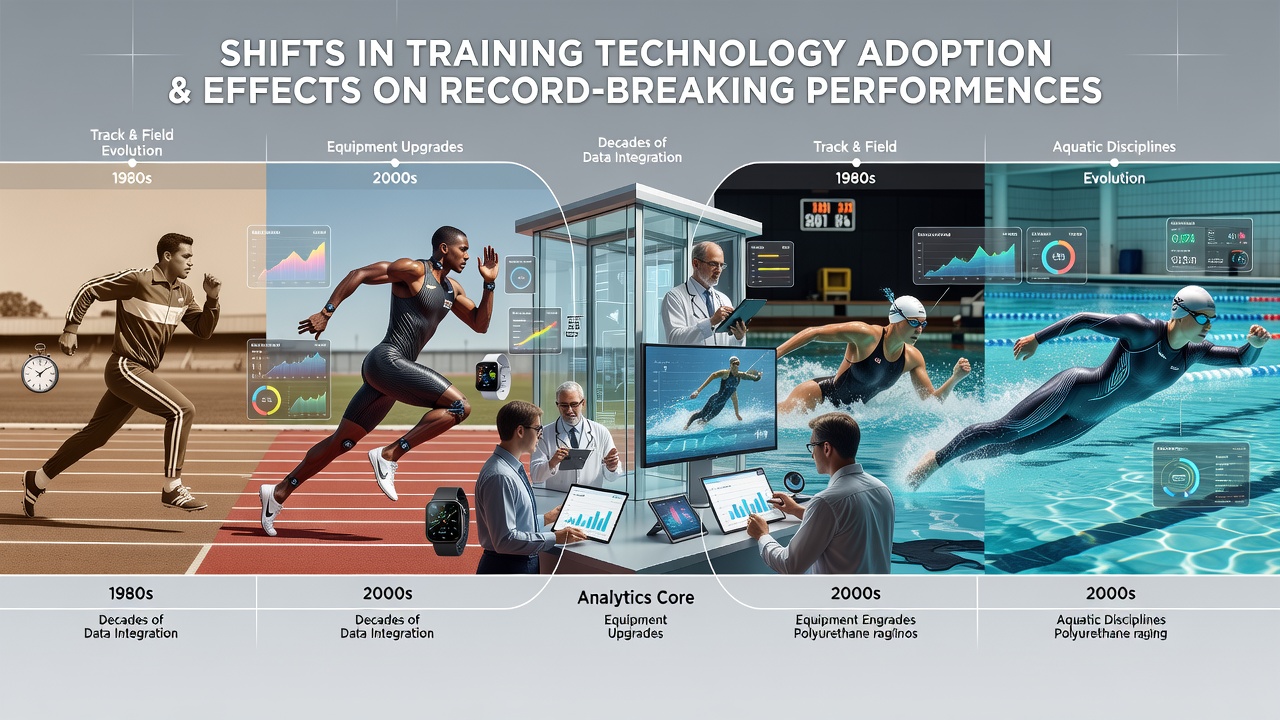
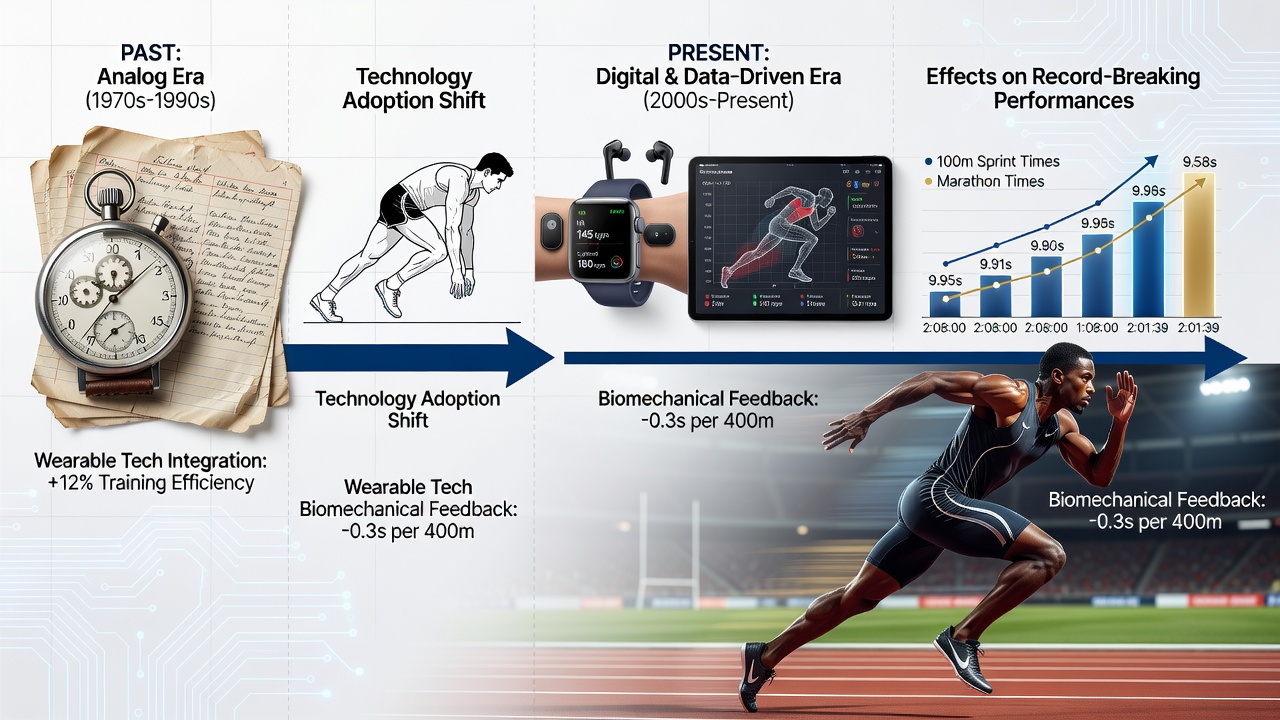
Training technology entered competitive athletics through basic timing systems and video analysis in the mid-twentieth century, yet adoption accelerated once digital sensors became portable enough for daily use in both running tracks and pool decks. Observers tracking equipment upgrades note that heart-rate monitors first appeared consistently in elite programs during the 1980s, allowing coaches to adjust interval sessions while data integration remained manual and limited to paper logs. By the late 1990s wireless accelerometers and early GPS units reached training groups in North America and Europe, creating the first large-scale datasets that linked stride length changes directly to race outcomes.
Equipment Upgrades and Performance Metrics
Carbon-plate footwear entered track and field programs around 2016, and governing-body records show a measurable uptick in sub-two-hour marathon attempts along with faster 10,000-meter times at major championships. Aquatic disciplines followed a parallel timeline when low-drag textile suits and later full-body coverage gained acceptance before regulatory adjustments in 2009 and 2010 curtailed certain designs. Researchers at the Australian Institute of Sport documented how these suit changes coincided with dozens of world-record swims between 2008 and 2009, while subsequent textile rules produced steadier progression curves once data from underwater cameras became standard feedback tools.
Data Integration Expands Across Decades
Modern training platforms combine force-plate readings, motion-capture video, and wearable lactate sensors into unified dashboards that update in real time during sessions. Analysts who follow these systems report that swimmers now review stroke-rate graphs immediately after each repeat, whereas runners overlay power-output curves from foot sensors onto video of their stride cycle. Integration of such streams has allowed programs to identify micro-variations in technique that previously escaped notice, and records in events from the 100-meter dash to the 400-meter individual medley have reflected incremental gains tied to these adjustments.
Regional Program Examples and Record Timelines
Take one training center in Queensland that introduced full IMU-based swim tracking in 2014; subsequent national championship results showed improved relay splits linked to refined underwater kick counts. Across the Atlantic, a university program in the United States adopted similar foot-sensor arrays for its track squad the following year, and published meet results indicate tighter pacing in the 800 meters and 1500 meters. European federations added centralized cloud repositories around 2018, enabling comparative analysis across national teams, while Canadian researchers later correlated these shared datasets with reduced injury downtime and sustained peak performances into later seasons.
November 2026 Developments in Equipment Standards
By November 2026 updated sensor protocols for both track spikes and competition swimwear reached final review stages within international federations, and preliminary testing data released through academic channels suggest further refinements in energy-return metrics and drag coefficients. Those monitoring the process note that any approved changes would enter competition calendars no earlier than 2027, giving programs additional months to align training loads with anticipated equipment profiles.
Cross-Discipline Comparisons and Shared Tools
Although surface differences separate running tracks from pool lanes, several core technologies now operate identically in both environments. Force-vector analysis, once confined to laboratory treadmills, now appears poolside through tethered resistance systems, and recovery metrics derived from heart-rate variability apply equally to sprinters and distance freestylers. Studies compiled by the International Olympic Committee’s research partners indicate that athletes who train with integrated platforms across multiple disciplines maintain higher consistency in personal-best frequency over five-year windows than those relying on single-sport tools alone.
Conclusion
Decades of incremental technology adoption have produced measurable shifts in how records are approached and achieved in track and field alongside aquatic events. Continued refinement of sensors, materials, and data platforms continues to supply coaches and athletes with clearer pictures of performance variables, while regulatory bodies maintain oversight on equipment specifications to preserve competitive balance.