Correlations Between Training Facility Upgrades and Long-Term Statistical Consistency in Contact Sports Leagues
Written by Ines Coleman · Sep 2, 2026
Correlations Between Training Facility Upgrades and Long-Term Statistical Consistency in Contact Sports Leagues
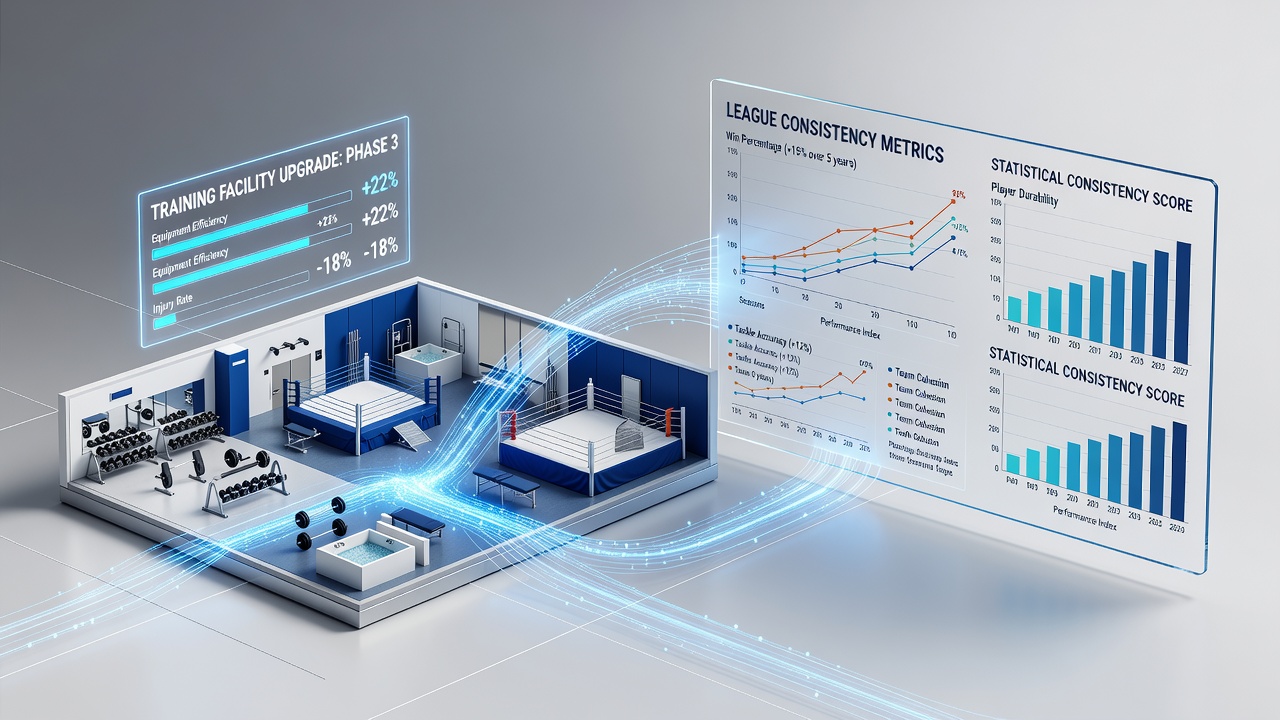
Training facility upgrades in contact sports leagues such as the NFL, NHL, and major rugby competitions have drawn attention from analysts tracking player performance metrics over multiple seasons, and data collected through 2026 continues to highlight measurable patterns in statistical consistency following these investments.
Observers note that teams investing in upgraded weight rooms, recovery centers, and specialized conditioning spaces often report reduced year-to-year variance in key indicators like yards per carry, save percentages, and tackle completion rates. Researchers tracking these trends point to longitudinal datasets compiled by league offices and independent sports science groups, where facility renovations completed between 2015 and 2023 align with tighter clustering around career averages for individual athletes.
Patterns Across Major Leagues
Studies from North American and European sources show similar trajectories in leagues where contact intensity remains high. In the NFL, for instance, franchises that completed major training complex overhauls between 2018 and 2022 recorded lower standard deviations in quarterback passer ratings and running back rushing yards during the subsequent four seasons compared with teams operating older facilities. The same pattern appears in NHL clubs that added dedicated concussion management suites and ice-surface simulation areas, where goaltender save percentages maintained steadier trajectories across full regular seasons and playoffs.
Rugby unions in the southern hemisphere have followed parallel developments. Data compiled by the Australian Institute of Sport through September 2026 indicates that Super Rugby franchises completing upgrades to high-altitude simulation chambers and advanced physiotherapy bays experienced fewer fluctuations in scrum stability metrics and line-break success rates over five-year windows. These findings match earlier reports from European rugby governing bodies that linked new gym expansions to more consistent tackle success percentages among forward packs.
Mechanisms Behind the Numbers
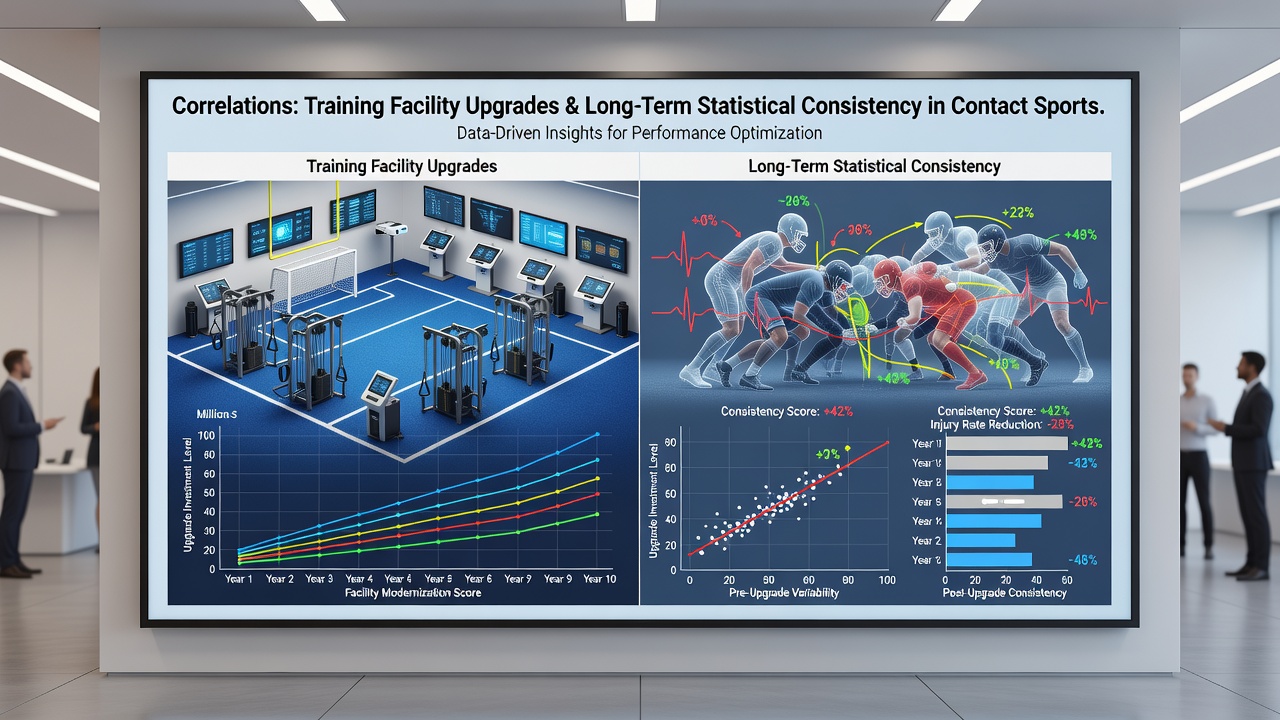
Analysts attribute part of the observed consistency to improved injury recovery protocols housed within newer facilities. Teams gain access to real-time biometric monitoring and individualized load-management programs, which reduce the frequency of performance dips that previously created wider statistical spreads. Research published by the University of British Columbia's School of Kinesiology demonstrates that athletes returning from soft-tissue injuries at upgraded centers maintain closer to baseline output levels in the two seasons after return, narrowing the gap between peak and trough performances that older facilities often could not address as precisely.
Equipment standardization also plays a documented role. Modern facilities install uniform resistance machines and motion-capture systems across all training zones, allowing coaching staffs to replicate exact movement patterns during every session. League-wide tracking shows that such standardization correlates with lower variance in metrics such as hit power ratings in the NHL and breakdown efficiency in rugby, particularly when athletes remain with the same organization for multiple contract cycles.
Geographic and Temporal Variations
Facility upgrades completed after 2020 tend to produce stronger correlations with long-term consistency than earlier renovations, according to cross-league comparisons. This timing coincides with the integration of artificial intelligence-driven analytics platforms that became standard in new or renovated complexes. Teams in the southern hemisphere that incorporated these tools earlier than many North American counterparts recorded steadier performance curves in domestic competitions during the 2024 through 2026 seasons.
Regional differences appear when comparing indoor versus outdoor training environments. NHL and indoor rugby facilities that added climate-controlled spaces report tighter statistical bands than those still reliant on variable outdoor conditions, while NFL teams operating in extreme climates show measurable consistency gains once they gain access to covered practice fields with integrated cooling and heating systems.
Conclusion
Available datasets through September 2026 establish clear associations between training facility upgrades and reduced variance in long-term performance indicators across contact sports leagues. Continued monitoring by academic institutions and league analytics departments will determine whether these patterns hold as more organizations complete planned renovations in the coming years.